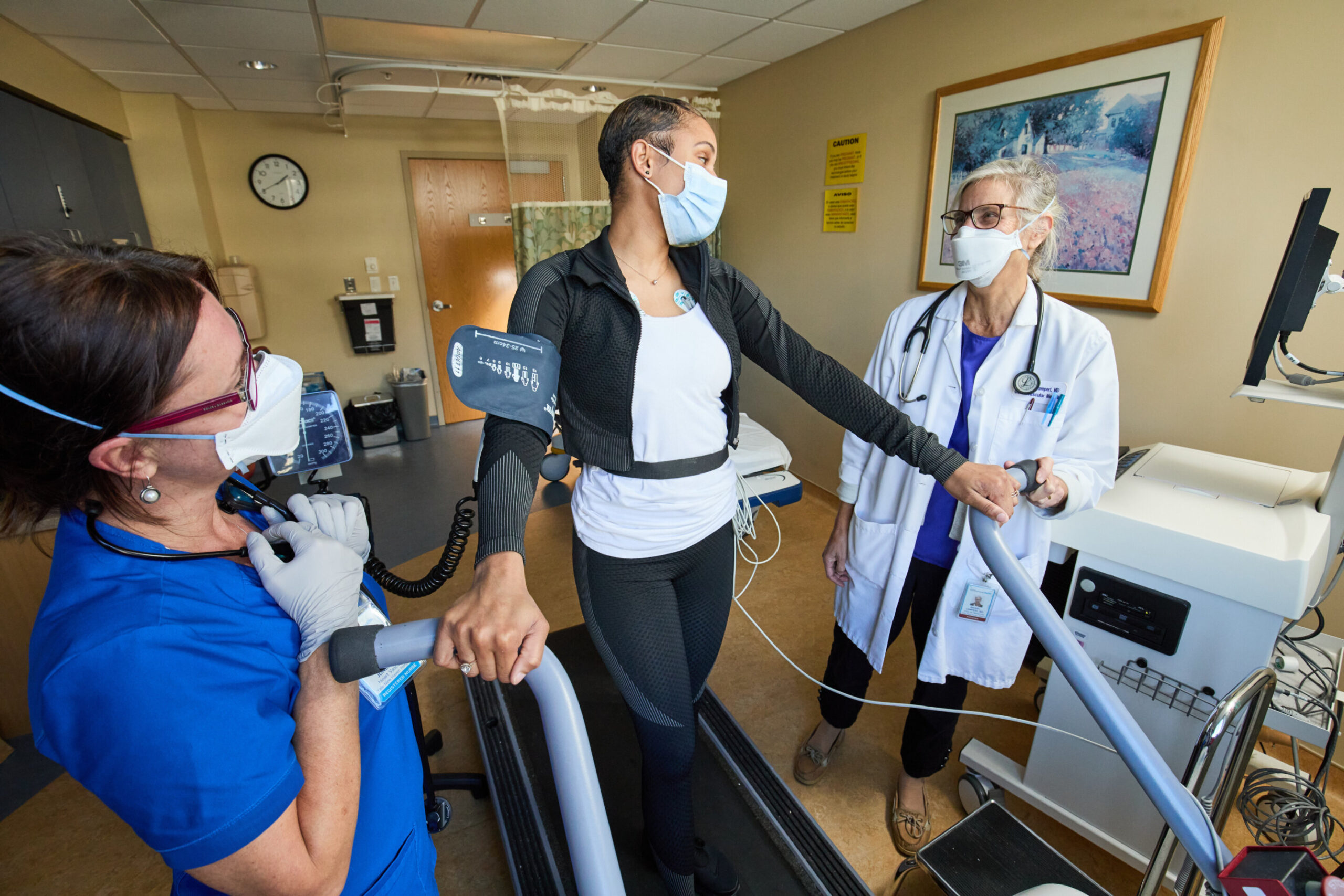
The Rare but Critical Event: Unveiling Sudden Cardiac Arrest in Athletes
**Search Phrase: Athlete cardiac arrest** — Sudden cardiac arrest (SCA) in athletes is a rare yet profoundly concerning medical emergency that can strike even the most physically fit individuals. Unlike a typical heart attack, which is caused by blockages in the coronary arteries, SCA involves the abrupt loss of heart function arising from electrical disturbances in the heart. When an athlete experiences SCA, the heart ceases to effectively pump blood, depriving vital organs like the brain of oxygen and risking death if not promptly treated. Despite its rarity among athletes, the event generates significant media attention due to its shocking nature and the tragic loss of young lives (American Heart Association, 2022).
Understanding **athlete cardiac arrest** is pivotal because it often affects individuals who appear healthy and are engaged in rigorous physical activity. Underlying conditions such as hypertrophic cardiomyopathy and arrhythmogenic right ventricular cardiomyopathy—often undiagnosed—can predispose athletes to this event. These conditions may remain silent until triggered by intense exertion, emphasizing the importance of comprehensive screening and preparedness in athletic settings. When such rare incidents occur, they underscore the necessity for immediate emergency response, including access to AEDs and trained personnel, to save lives and continue sporting careers safely. For more on the underlying causes, see our overview of sudden cardiac arrest in athletes.
For more insights on maintaining overall athlete health and preventive strategies, visit our article on 9 Fitness Habits You Must Carry Into the New Year.
Root Causes and Risk Factors: Why Do Athlete Cardiac Arrests Happen?
**Search Phrase: Athlete cardiac arrest** — Though rare, **athlete cardiac arrest** results from a multitude of interrelated causes rooted in genetics, structural health issues, and environmental conditions (American Heart Association, 2019). A key factor is the presence of undiagnosed heart abnormalities like hypertrophic cardiomyopathy (HCM), which causes abnormal thickening of the heart muscle. Structural anomalies such as congenital coronary artery malformations and long QT syndrome also heighten the risk during intense physical activity. Learn more about hypertrophic cardiomyopathy.
Genetic predispositions play a significant role, with family history of sudden cardiac death indicating a higher likelihood of underlying hereditary conditions. These genetic mutations can cause electrical instability or abnormal cardiac development, often remaining silent until triggered by strenuous exertion. For additional understanding, see factors that can cause cardiovascular disease in fit individuals.
External factors such as dehydration, electrolyte imbalance, use of performance-enhancing drugs, and stimulants can further increase susceptibility to arrhythmias, especially in extreme environmental conditions like heat. Conditions such as myocarditis—an inflammation of the heart muscle caused by viral infections—sometimes predispose athletes to sudden cardiac events without prior symptoms. Early detection through cardiac screening for youth sports is essential in identifying at-risk athletes before a crisis occurs. Recognizing these risk factors helps in designing preventive strategies that can greatly reduce the chances of **athlete cardiac arrest**.
For more preventive insights, visit our article on 9 Fitness Habits You Must Carry Into the New Year.
- Source: American Heart Association – Why Young Athletes’ Hearts Stop
- Source: NCBI – Causes and Risk Factors for Sudden Cardiac Arrest in Athletes
- Source: American College of Cardiology – Preventing Sudden Cardiac Death in Athletes
Spotting the Signs and Ensuring Emergency Preparedness
**Search Phrase: Athlete cardiac arrest** — Early recognition of **athlete cardiac arrest** symptoms is crucial. Common warning signs include chest pain, palpitations, unexplained dizziness or weakness, shortness of breath, and fainting, especially during physical activity. These symptoms should never be ignored, and immediate medical evaluation is essential to diagnose underlying causes that might lead to arrest (American Heart Association, 2019). For more on signs and symptoms, see spotting the signs of cardiac arrest in athletes.
Preparedness involves establishing effective emergency response protocols within sports venues. Coaches, staff, and athletes must be trained to recognize distress signs promptly and perform CPR while activating emergency medical services. Availability and quick deployment of **automated external defibrillators (AEDs)** are critical, as they can administer life-saving shocks to restore normal heart rhythm within minutes (AEDs’ role in athletics).
Having AEDs strategically placed at sports facilities and conducting regular emergency drills improve response times, significantly increasing survival chances. Education campaigns that promote awareness and preparedness are essential components in reducing fatalities from **athlete cardiac arrest**.
- Source: American Heart Association – Spotting the Signs of Cardiac Arrest in Athletes
- Source: CDC – Heart Disease Facts
- Source: American Red Cross – Using AEDs in Emergencies
Diagnosis, Prevention, and Long-Term Management
**Search Phrase: Athlete cardiac arrest** — Advances in cardiac diagnostics enable early detection and preventive care. Screening with ECGs and echocardiograms plays a pivotal role in identifying athletes susceptible to cardiac arrest, especially those with hidden conditions like hypertrophic cardiomyopathy (Yale Medicine, 2023). These tools help clinicians detect electrical or structural abnormalities before symptoms manifest. Explore long-term management of athlete cardiac conditions.
Prevention emphasizes education, regular screening, and emergency preparedness training. Equipping sports venues with AEDs and conducting regular simulation drills ensure readiness for real incidents. Training athletes and staff in CPR and AED use improves response times and survival outcomes.
Post-incident management involves personalized cardiac care, including continuous monitoring, lifestyle modifications, and psychological support for athletes returning to activity. Such approaches combine medical oversight with individualized physical therapy, as highlighted by Yale research, to facilitate safe reintegration into sports (Yale Medicine, 2023). For further detail on comprehensive long-term management, see sideline emergencies best practices.
Explore additional health management content at 10 Effective Low Back Pain Treatments and revisit our key **fitness habits** article.
Looking Ahead: Improving Safety and Outcomes in Sports
**Search Phrase: Athlete cardiac arrest** — The future of **athlete cardiac arrest** prevention focuses on technological advancements and policy reforms. Emerging real-time cardiac monitoring devices can detect early signs of distress, enabling immediate intervention (advances in AED use in sports). Research aims to identify genetic and physiological risk factors more accurately, broadening preventive screening protocols (NIH, 2019). For a comprehensive overview, see future strategies in athlete safety.
Efforts are underway to mandate wider placement of AEDs across all sports venues and ensure that personnel undergo CPR and emergency response training regularly. Such measures significantly enhance survival rates if cardiac emergencies occur during athletic events. Policy changes driven by research and collaboration between sports organizations, medical professionals, and policymakers are essential for establishing standardized emergency plans that prioritize athlete safety.
Building awareness campaigns and encouraging a proactive safety culture can change the landscape of sports health. Integrating advanced detection systems, improving access to treatment options, and promoting education will make sporting environments safer and help reduce the incidence of tragic **athlete cardiac arrest** events in the future (American Heart Association, 2022).
- Source: NIH – Future Strategies in Athlete Safety
- Source: American Heart Association – Improving Safety in Sports
Sources
- Wellness Blogs – 9 Fitness Habits You Must Carry Into the New Year
- Wellness Blogs – 10 Ways to Boost Cognitive Resilience for Warfighters
- Wellness Blogs – 10 Effective Low Back Pain Treatments You Should Know
- Yale Medicine – Heart Screening in Athletes
- American Heart Association – Improving Safety in Sports
- American Heart Association – Sudden Cardiac Arrest in Athletes: What You Need to Know
- American Heart Association – Why Young Athletes’ Hearts Stop
- American Heart Association – Spotting the Signs of Cardiac Arrest in Athletes
- CDC – Heart Disease Facts
- Red Cross – Performing CPR and Using AEDs