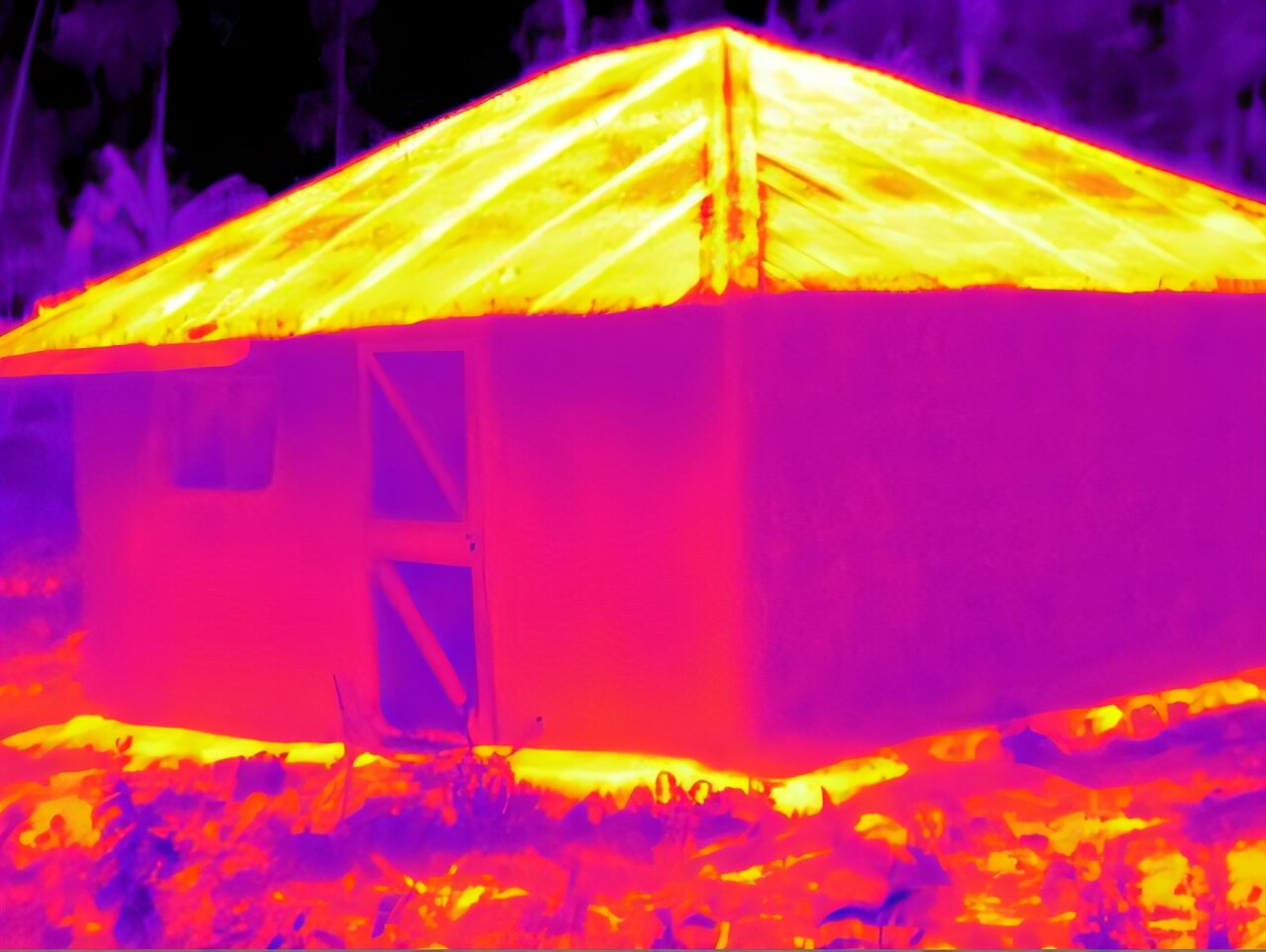
Understanding Heat coping strategies in a changing climate
**Heat coping strategies** are essential tools in our response to rising global temperatures. As climate change accelerates, developing effective methods to manage heat stress has become a crucial part of safeguarding health and well-being. The importance of these strategies is underscored by extensive research and expert recommendations, emphasizing proactive adaptation at individual, community, and policy levels. Incorporating **heat coping strategies** can significantly reduce heat-related illnesses, improve resilience, and build healthier, more sustainable environments. In this article, we explore various facets of heat coping strategies, their applications, and how they can be integrated into daily life and regional planning to confront the challenges posed by escalating temperatures.
The Impact of Rising Temperatures on Health and Livelihoods in Sub-Saharan Africa
**Heat coping strategies** are especially vital in regions like sub-Saharan Africa, where climate change-driven temperature increases threaten both health and livelihoods. Rising temperatures exacerbate heat stress, causing an increase in heat exhaustion and other heat-related illnesses. Vulnerable groups such as children, the elderly, and individuals with pre-existing health conditions face heightened risks (source: World Health Organization). Moreover, higher temperatures extend the habitat of disease vectors, leading to increased incidences of malaria, dengue, and other vector-borne diseases, compounding public health challenges.
Farmers, whose livelihoods depend on agriculture, bear a significant brunt of these changes. Crop yields decline under intense heat and drought conditions, threatening food security and economic stability. Livestock health also suffers from water shortages and heat stress, which further jeopardizes rural economies. Women, a majority of whom are involved in farming and water collection, face disproportionate burdens because of greater exposure to outdoor heat and unequal access to healthcare resources (source: UN Women). Implementing **heat coping strategies** like drought-resistant crops, improved water management, and targeted health initiatives is critical for resilience.
To learn more about how holistic approaches can improve well-being amid climate stress, see our article on 10 Essential Mental Health Tips to Start 2026.
Regional Climate Challenges and Heat Coping Strategies: Key Insights from Recent Studies
Recent studies highlight the importance of tailored **heat coping strategies** to address specific regional vulnerabilities. For example, research published in *The Lancet Planetary Health* emphasizes urban heat islands and suggests innovations such as community cooling centers, improved urban planning, and green infrastructure to reduce health risks during heatwaves (source). Similarly, *Nature Medicine* discusses the value of physiological and behavioral adaptation techniques, including hydration practices, heat-reflective clothing, and green infrastructure like urban tree canopies, which effectively mitigate heat stress impacts (source).
Combining scientific insights with practical heat coping strategies enables communities to build resilience and adapt to increasing temperatures. These approaches must be localized, scalable, and community-driven to ensure effectiveness and sustainability in diverse environments.
For insights on managing health challenges caused by environmental stressors, explore our article on how pollution accelerates skin ageing.
Effective Heat Coping Strategies to Improve Living Conditions and Build Resilience
Practical measures for individuals and communities
Adapting to rising temperatures requires implementing accessible **heat coping strategies** that help maintain comfort and health. Here are some effective measures:
- Optimizing indoor cooling: Use shades during peak sunlight, employ energy-efficient fans and air conditioners with eco-friendly features, and promote natural ventilation by opening windows during cooler hours.
- Enhancing building resilience: Improve insulation, use reflective roofing materials or light-colored paints, and incorporate green infrastructure like rooftop gardens to reduce indoor heat absorption.
- Adapting lifestyles and activities: Schedule outdoor tasks during cooler parts of the day, stay hydrated by drinking plenty of water, eat cooling foods like fruits and salads, and wear lightweight, loose-fitting, and light-colored clothing to help regulate body temperature.
- Community and urban planning: Increase urban green spaces and tree cover to mitigate the urban heat island effect, design shaded public areas, and establish cooling shelters especially for vulnerable populations.
These strategies are practical, scalable, and essential for tackling daily heat challenges, particularly in heat-prone regions. For more resilience tips, visit our mental health resource and ways to boost cognitive resilience.
Implementing **heat coping strategies** at multiple levels not only improves current living conditions but also enhances long-term resilience against intensifying heat events, especially in urban settings like Germany and beyond.
The Role of International Research in Shaping Local Heat Coping Policies
Global studies inform local **heat coping strategies** by providing evidence-based insights that can be adapted to regional contexts. International frameworks and research findings support the development of effective policies—such as early warning systems, urban greening projects, and resilient infrastructure—that can substantially reduce heat-related health risks (source).
Moreover, community engagement initiatives driven by international best practices focus on public education about hydration, cooling centers, and behavioral adaptations during heatwaves. These insights assist policymakers in crafting **heat coping strategies** that prioritize vulnerable populations including the elderly, outdoor workers, and low-income communities.
Knowledge transfer from global research amplifies local response capacity, ensuring that **heat coping strategies** are comprehensive and adaptive. This global-local synergy ensures communities remain resilient in the face of increasing climate variability. To explore related resilience resources, see our guide on sustainable urban design.
Conclusion: Building Resilience Through Heat Coping Strategies
As climate change accelerates, adopting **heat coping strategies** becomes indispensable for maintaining health, productivity, and overall well-being. From personal lifestyle adaptations to urban planning and policy measures, an integrated approach ensures communities are better prepared to face extended and intense heatwaves. Education, infrastructural improvements, and community participation are critical components for effective resilience. By leveraging current scientific research and international best practices, individuals and local governments can implement **heat coping strategies** effectively, reducing heat-related risks and ensuring a safer, healthier future.