Unlocking Nature’s Shield: The Power of Algae and Cyanobacteria in Sun Protection
Search Phrase: Natural sunscreen ingredients have gained significant attention due to their eco-friendly and health-conscious appeal. Algae and cyanobacteria are at the forefront of this revolution, serving as nature’s unsung heroes in sun protection. These remarkable organisms produce specialized compounds, such as mycosporine-like amino acids (MAAs) and scytonemin, which function as biological sunscreens by absorbing harmful ultraviolet (UV) radiation. By harnessing these natural defenses, we can develop innovative, sustainable skincare solutions that align with environmental and health standards.
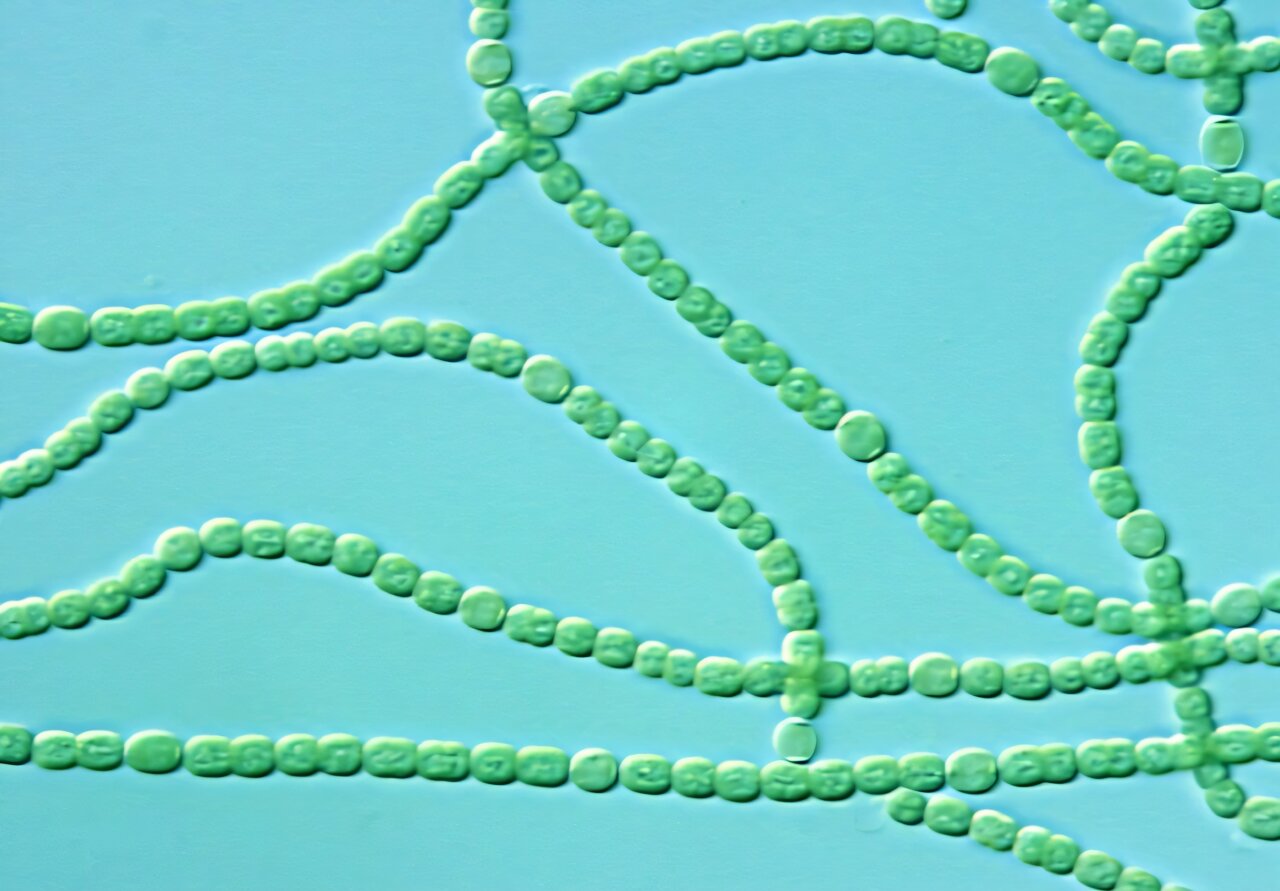
Algae and cyanobacteria naturally defend themselves against the sun’s damaging rays by synthesizing UV-absorbing compounds that serve as their biological sunscreens. MAAs are water-soluble molecules that primarily absorb UV-A and UV-B rays, preventing oxidative stress and cellular DNA damage. Scytonemin, predominantly produced by cyanobacteria, not only absorbs UV-A rays but also exhibits potent antioxidant properties, offering a broad-spectrum shield. These qualities make them promising candidates for natural sunscreen ingredients that are biodegradable, non-toxic, and environmentally sustainable—properties increasingly sought after in modern skincare (source: Wellness Blogs).
Incorporating extracts from algae and cyanobacteria into skincare not only enhances protection against UV-induced skin damage but also supports skin hydration and reduces inflammation. This dual functionality addresses multiple skin concerns while fulfilling the demand for more natural, eco-friendly options. As research progresses, these organisms’ unique solar defense mechanisms are opening new avenues for the creation of next-generation natural sunscreens that are both effective and safe for consumers and the environment.
The Science Behind the Super Compounds: Mycosporine-Like Amino Acids and Their Dual Benefits
Search Phrase: Natural sunscreen ingredients such as mycosporine-like amino acids (MAAs) have captivated scientists due to their powerful UV-absorbing properties. These small, water-soluble molecules, first discovered in marine organisms like algae and cyanobacteria, act as natural sunscreens by dissipating UV energy harmlessly as heat, thus preventing cellular damage from ultraviolet radiation (source: NIH Study on Algae UV Protection).
Beyond their primary role as UV filters, MAAs exhibit impressive multifunctionality. Research indicates that certain MAAs can inhibit enzymes such as angiotensin-converting enzyme (ACE), which plays a critical role in regulating blood pressure. This enzyme inhibition suggests that MAAs could offer cardiovascular benefits when incorporated into wellness routines—a dual advantage of both skin protection and systemic health support. Moreover, their antioxidant activity helps scavenge reactive oxygen species (ROS), reducing oxidative stress that accelerates skin aging. These attributes make MAAs a promising component in holistic skincare and health products.
With their combination of UV protection, systemic health benefits, and oxidative stress reduction, MAAs are positioned as innovative ingredients that bridge the gap between skincare and overall wellness. Their multifunctional nature aligns perfectly with the needs of consumers seeking safe, effective, and natural solutions for their health and beauty routines.
Beyond Sun Safety: Potential Applications in Cosmetics and Functional Foods
Search Phrase: Natural sunscreen ingredients derived from algae and cyanobacteria are revolutionizing the fields of cosmetics and functional foods. These bioactive compounds are rich in antioxidants, vitamins, and anti-inflammatory agents, making them ideal for enhancing skin health through topical and dietary approaches. Topical formulations incorporating algae extracts provide natural alternatives to synthetic ingredients, supporting anti-aging and skin repair while also minimizing environmental impact.
In the realm of dietary health, algae-based ingredients contribute essential nutrients such as omega-3 fatty acids, peptides, and polysaccharides that bolster immune function, improve gut health, and provide anti-inflammatory benefits when consumed in supplements or functional foods. These nutrients support internal wellness, creating a holistic approach that combines protection against UV damage with overall health promotion. This multifunctionality demonstrates how natural sunscreen ingredients can extend their benefits beyond topical use, contributing to comprehensive skin and systemic health.
As consumers increasingly gravitate toward clean, sustainable, and multifunctional products, algae-derived compounds exemplify the integration of natural photoprotection with internal health benefits. For more holistic wellness strategies, explore our article on Key Holistic Health Benefits for Better Wellness.
Future Horizons: Innovating with Nature-Inspired, Health-Boosting Sunscreens
Search Phrase: Natural sunscreen ingredients are set to lead a new era of innovation in sun protection, with upcoming products designed not just to block UV rays but also to support skin repair and overall health. Researchers are exploring plant-based compounds like green tea polyphenols, red algae extracts, and blueberry anthocyanins—each demonstrating potential to enhance UV defense while promoting cellular regeneration and hydration (source: NCBI – Natural compounds in sunscreens).
The future of natural sunscreens involves integrating these bioactives into daily skincare formulations through advanced techniques like microencapsulation, which improves stability and delivery. Such innovations enable sustained release of protective agents, enhancing efficacy and user experience. This shift from simple UV blockade to comprehensive skin wellness signifies a transformative progression in sun protection technology.
Additionally, the emphasis on sustainable sourcing and eco-friendly production methods addresses growing environmental concerns linked to conventional synthetic sunscreens. Future natural sunscreens aim to be multifunctional, combining UV protection with anti-aging, repairing, and hydrating benefits. These developments not only deliver safer options but also promote global sustainability and skin health (source: MDPI – Innovations in plant-based sunscreens).
Embracing these advances promises a holistic approach to sun protection—one that safeguards the skin while promoting overall wellness and environmental stewardship. To delve deeper into natural health solutions, visit our article on Key Holistic Health Benefits for Better Wellness.
Sources
- Wellness Blogs – 6 Essential Tips to Protect Skin Barrier in Urban Environments
- Wellness Blogs – 7 Shocking Facts About the Sunscreen Controversy
- Wellness Blogs – Key Holistic Health Benefits for Better Wellness
- Wellness Blogs – 9 Ways to Reduce Antioxidant Stress
- Wellness Blogs – Importance of Antioxidants for Skin and Overall Health
- Wellness Blogs – Natural Sunscreen Ingredients