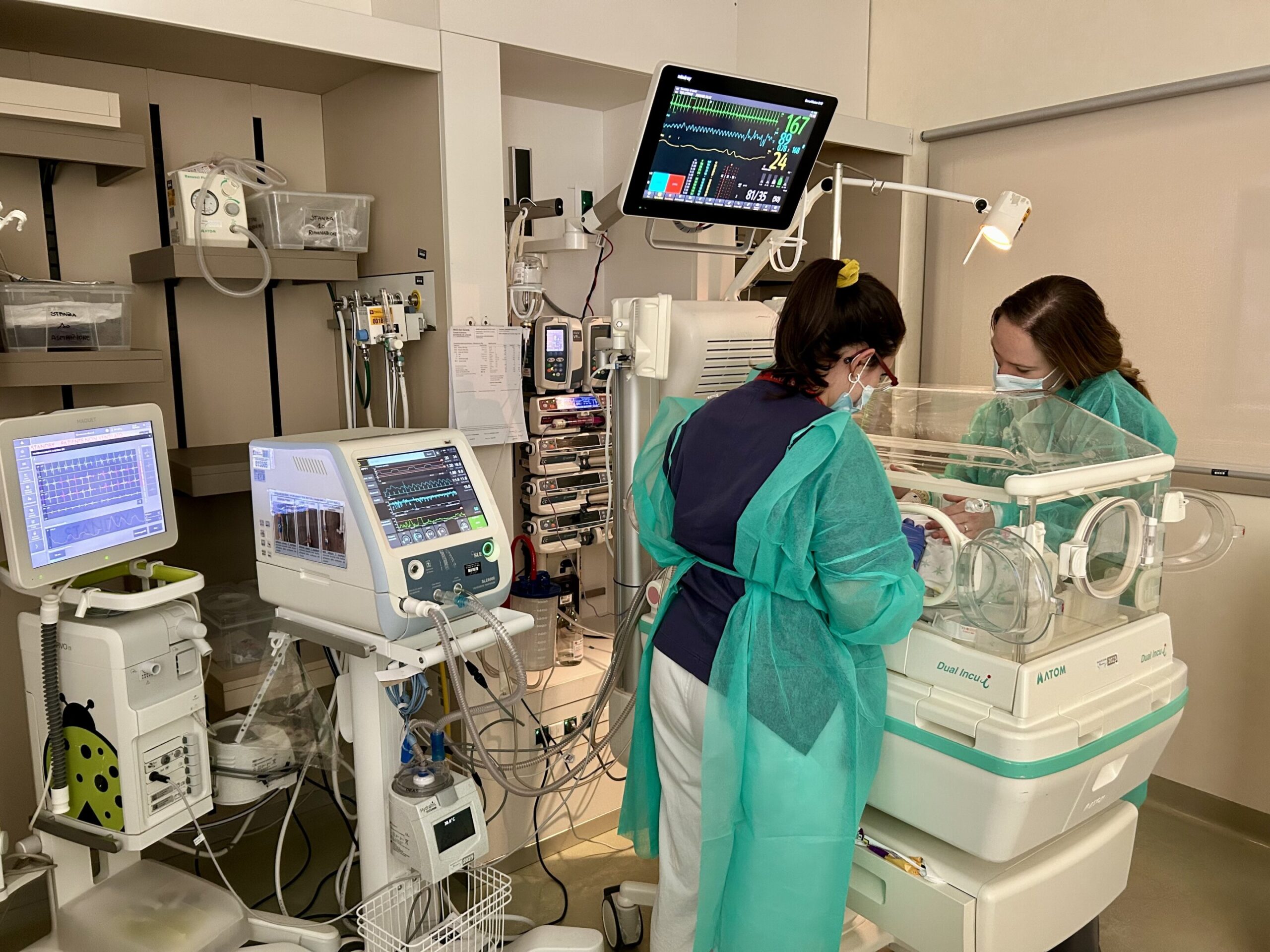
Understanding Preterm Baby Nutrition: Customized Feeding for Optimal Growth
Search Phrase: preterm baby nutrition plays a vital role in ensuring healthy development for infants born before 37 weeks of gestation. These preterm infants face unique challenges that require specialized nutritional strategies to support their rapid growth and organ development. Unlike full-term babies, preterm infants have immature digestive systems and higher metabolic needs, making tailored nutrition critical for their survival and long-term health (source: wellnessblogs.in).
Unique Nutritional Needs of Preterm Infants
Preterm babies require increased calories, proteins, essential fatty acids, vitamins, and minerals than their full-term counterparts. This is because they need to catch up on growth and support neurodevelopmental processes that occur rapidly during the last trimester of pregnancy. The goal of preterm baby nutrition is to promote appropriate weight gain, brain development, and maturation of vital organs (preterm infant nutrition).
Breast milk remains the gold standard for preterm nutrition due to its immunological benefits and bioavailability of nutrients. Often, it is fortified with additional nutrients to meet the heightened demands of preterm infants (~breast milk fortification). In cases where mother’s milk isn’t sufficient or unavailable, specialized preterm formulas are used, designed explicitly to supply the necessary nutrients at this vulnerable stage.
Customized Feeding Strategies for Preterm Infants
Feeding plans depend on several factors, including gestational age, birth weight, and the infant’s medical condition. Immediate post-birth support may involve parenteral (intravenous) nutrition to stabilize the infant, followed by gradual introduction of enteral (tube or oral) feeding as the infant’s gastrointestinal system matures. Regular assessments and close collaboration among neonatologists, nutritionists, and caregivers ensure optimal growth and prevent complications (tips for feeding premature babies).
Monitoring growth milestones and adjusting nutritional intake accordingly help in achieving balanced growth without overloading the immature organs. Personalized nutrition care plans are increasingly utilizing advanced tools for precise calculation and implementation, promoting better health outcomes.
AI-Driven Personalized Nutrition Plans for Preterm Babies
Search Phrase: preterm baby nutrition is being transformed by the integration of artificial intelligence (AI)—a breakthrough that allows the creation of tailored dietary plans based on individual metabolic and developmental needs (source: AI in neonatal nutrition).
The Impact of AI on Neonatal Nutrition
By analyzing individual data, AI systems can forecast risks such as feeding intolerance and necrotizing enterocolitis—serious complications in premature infants. These systems facilitate dynamic adjustments to nutrition plans, ensuring that infants receive optimal nutrients while minimizing adverse effects (ethical considerations in neonatal AI).
This technology also reduces the guesswork involved in feeding decisions, leading to improved growth trajectories and better neurodevelopmental outcomes. Continuous data learning ensures that recommendations evolve as the infant progresses, making AI an invaluable tool in neonatal intensive care units (AI in neonatal nutrition).
Advances Combining Technology and Clinical Expertise
Recent collaborations between research institutions and technological innovators are fostering the development of real-time nutrient delivery systems. These systems adapt to the changing needs of preterm infants based on metabolic profiling so that each infant gets precisely what they require, reducing long-term risks associated with improper nutrition (premature infant metabolic needs).
The Future of Preterm Baby Nutrition and Ethical Considerations
Search Phrase: preterm baby nutrition is on the cusp of a transformative era with AI and technological innovations promising to revolutionize neonatal care. Personalized nutrition plans based on genetic markers, health data, and predictive analytics could significantly improve growth outcomes and reduce complications. Such advancements will enable clinicians to preemptively address issues like feeding intolerance or nutrient deficiencies, leading to better survival rates and healthier children (wellnessblogs.in).
Challenges and Ethical Implications
However, integrating AI into neonatal nutrition raises important ethical questions: ensuring equitable access across all healthcare settings, especially in low-resource environments, is vital. There is also a need for transparency in AI algorithms, data privacy protections, and maintaining sufficient human oversight to guarantee safety and trust in these systems (feeding intolerance prevention).
Overall, the convergence of technology and clinical practice holds promise for elevating preterm baby nutrition standards globally. By adopting AI-driven approaches, healthcare systems aim to reduce infant mortality and foster optimal early childhood development.