A smart probiotic that can sense blood sugar levels might be available in the US within two years.For a long time, people with diabetes have had to choose between pills, shots, or both.
Now, scientists in Shanghai are working on a new option—a probiotic that can detect high blood sugar levels on its own and release a hormone that lowers blood sugar, without needing regular checks or injections.
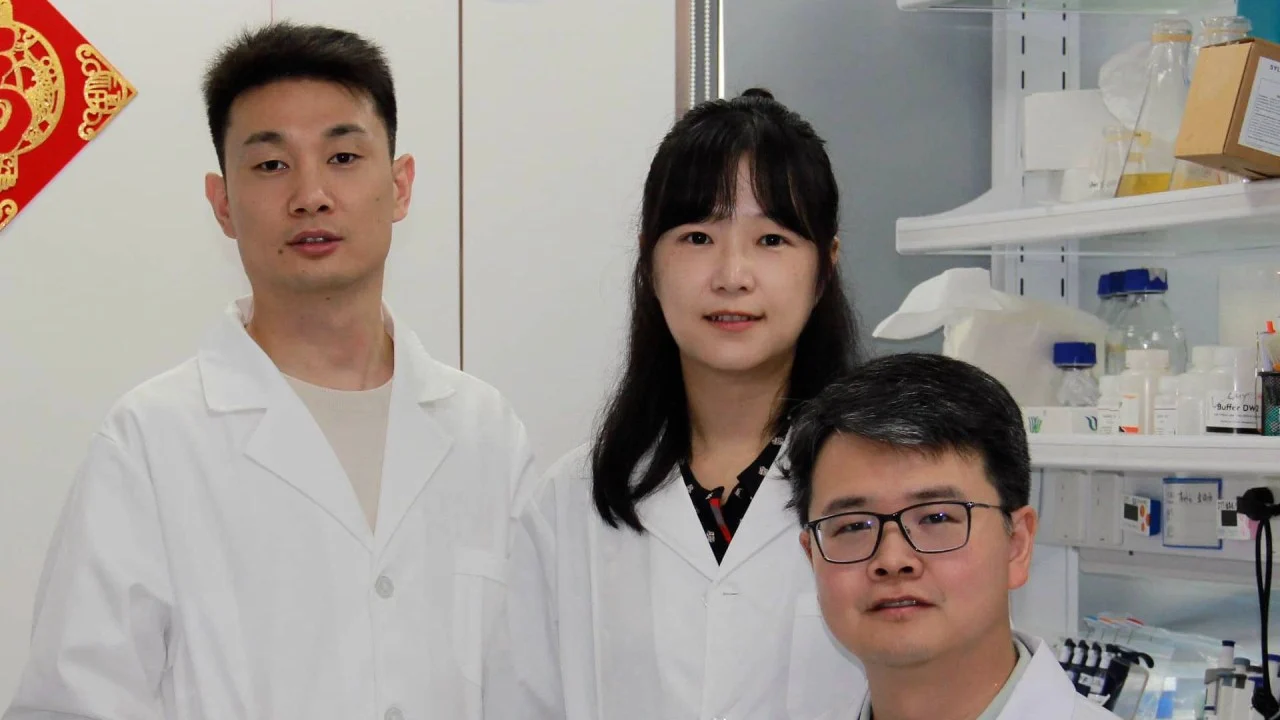
This research, led by Professor Ye Haifeng at East China Normal University, was published in the journal Nature on August 12.
In tests with animals, the probiotic worked as well as semaglutide, the drug used in Ozempic and Wegovy.
How the Smart Probiotic Works
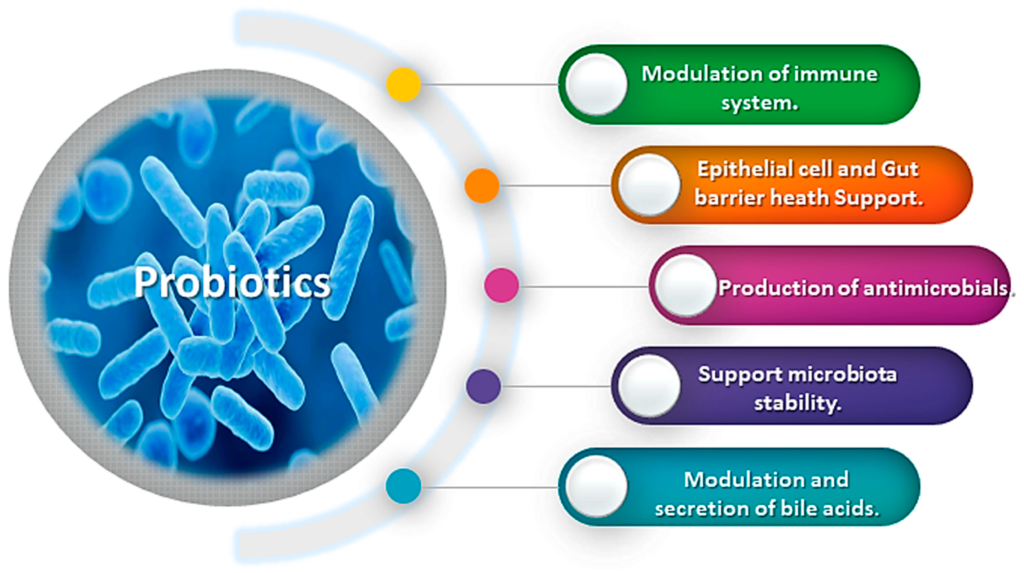
The probiotic is called GIFT.
It is designed to sense when blood sugar levels rise and automatically release GLP-1, a hormone that helps the body make insulin and lower blood sugar.
This is the same way that Ozempic and similar drugs work, but instead of being injected, the hormone is given by a living organism in the gut.
When blood sugar levels return to normal, the probiotic stops releasing the hormone, creating a natural feedback system.
The probiotic is made from a type of bacteria that has been safely used for over a century.
Using synthetic biology, the team designed it to act like an “intelligent virtual organ.” When taken by mouth, it lives in the intestines and keeps checking blood sugar levels.
When glucose levels go up, it releases GLP-1, which helps the body control blood sugar. When levels go down, it stops producing the hormone.
Professor Ye described this method as a big step forward because it avoids problems and immune reactions that can sometimes happen with other treatments that use engineered mammalian cells.
Also, unlike earlier engineered bacteria that always produce GLP-1, GIFT only releases the hormone when needed, making it more stable and safe.
Why GIFT Could Reach the US Market Within Two Years
One important point is that the team isn’t trying to get GIFT approved as a prescription drug in the US.
Instead, they plan to sell it as a health supplement.
This makes a big difference in how it is regulated. Prescription drugs like Ozempic must go through strict human trials to prove safety and effectiveness. But dietary supplements in the US don’t need the same level of testing before being sold. This is why a two-year timeline for launching in the US is possible, but it also means GIFT hasn’t gone through the same testing as Ozempic before being available.
GIFT Has Not Yet Been Tested in Humans

So far, all the results are from tests in mice, not in people.
While mouse studies can be helpful, they don’t always show what happens in humans.
There are no published human trials yet showing how safe or effective GIFT is. The two-year timeline is based on the team’s plan for making more of the probiotic, not on having a regulatory approval.
Despite this, it’s still worth keeping an eye on.
Potential Impact on Diabetes Treatment
Diabetes affects over 530 million adults worldwide, and this number is expected to rise to over 850 million by 2050.
GLP-1 drugs like Ozempic have become so popular that supply often can’t keep up with demand. A convenient, oral, needle-free option—even if it’s classified as a supplement—could make a big difference in access if it works. Whether the science holds up in human testing and how regulators and the market respond to a self-dosing living organism sold as a supplement are the key questions ahead.
Source: Ye, H., et al.
(2026). An engineered oral probiotic for glucose-responsive GLP-1 delivery. Nature, published August 12, 2026; South China Morning Post, “Chinese team aims to put ‘smart’ diabetes probiotic on US shelves within 2 years” (August 17, 2026); China Daily, “Chinese scientists develop new approach for diabetes treatment” (August 14, 2026).
Adrienne Erin
Adrienne holds a Bachelor of Science in Kinesiology, where she developed a strong foundation in exercise physiology and human nutrition.
Before joining DailyHealthPost, she spent several years writing about health and wellness topics, translating nutrition and fitness research into practical guidance for everyday readers.