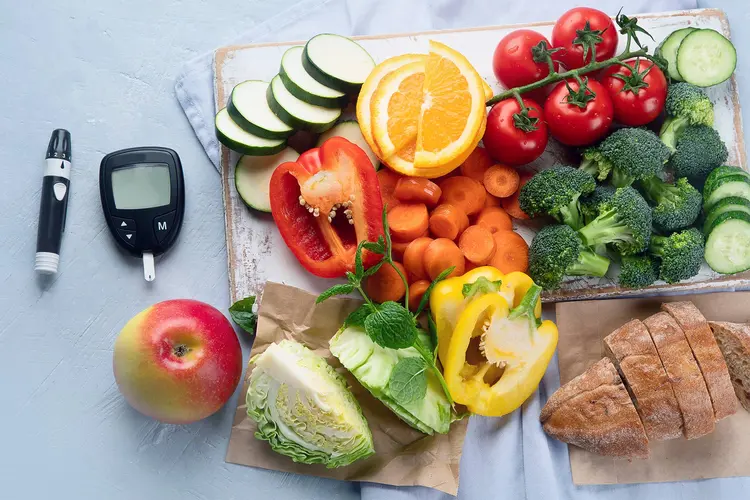
Imagine if I told you that you could stop 90% of diabetes cases just by cutting out a few foods from the average person’s diet. It sounds crazy, doesn’t it? And it probably is. We have been brainwashed for years by diet myths that have been reinforced by the industries that profit from our ignorance. It’s time to start changing that. Health
In this article, we are going to take a look at the foods that are making us sick and show you how to read labels and ingredients so you can stop the diabetes epidemic and reclaim your health.
Key Takeaways
Sugar is the main driver of diabetes as well as other ailments. Fat is not the enemy. Healthy fats are required, but industrially processed seed oils (high in Omega-6) and trans fats are to be avoided at all costs. “Healthy” foods and beverages often have high amounts of sugar and should be limited or avoided. Reading ingredients is more important than reading nutrition labels. Focus on whole, unprocessed foods as much as possible.
1. The “fat-free” trap
We have been brainwashed into thinking that fat is bad for us. As a result, there are countless “fat-free” products in the grocery store. But fat is not the enemy. When manufacturers take the fat out of a product, they have to add something to make it taste good. That something is usually sugar, salt, and other additives.
You need to understand the glycemic index. This index (GI) measures how much a food raises your blood sugar. The higher the GI (0-100), the more your blood sugar will spike, leading to inflammation throughout the body. This is especially damaging to the arteries and nerves. You want to keep your blood sugar as stable as possible and avoid foods with a GI over 70. You especially want to avoid anything over 100. The “fat-free” or “low-fat” products that you see in the store are often high in sugar and have a high GI. You are substituting heart-healthy fats with unhealthy, inflammatory sugar. The next time you buy peanut butter, make sure the ingredients say only peanuts and salt. Health Conditions
2. Yogurt, cereals, and other breakfast foods
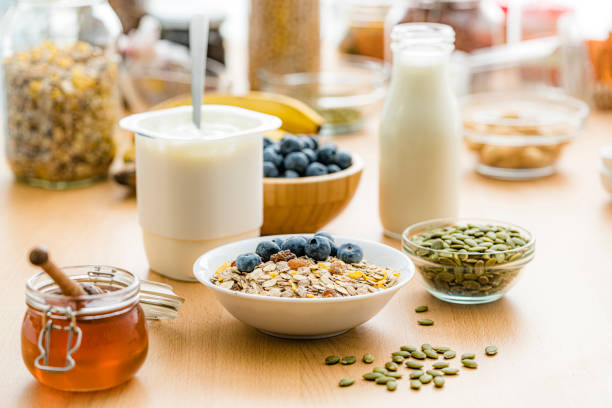
You might want to rethink your breakfast foods. Let’s start with yogurt. Greek yogurt is a healthy source of protein. However, the other flavored yogurts that you see in the store are often loaded with sugar. I have seen some with six spoonfuls of sugar in one serving! Always check the nutrition label to make sure that there isn’t hidden sugar.
Next, let’s talk about cereals. Most of the cereals that you see in the store are basically desserts. Some bowls have the equivalent of eight tablespoons of sugar! These cereals have a high GI, so you get a spike of energy followed by a crash. This is why you might feel sluggish during the day and crave sweets. It wasn’t fat that was making us gain weight and feel tired. It was sugar. The food industry blamed fat for years. Even healthy-seeming cereals are often loaded with sugar and destroy any nutritional value. If you want to eat a healthy cereal, think of oatmeal. There is also steel-cut oatmeal, but it requires more preparation. Health Conditions
3. Sugary drinks
One of the easiest ways to get too much sugar in your diet is by drinking it. The body doesn’t distinguish between liquid and sugar. In fact, liquid sugar is absorbed directly into the bloodstream, offering no fiber to slow the process. This category includes sports drinks, sweetened coffee drinks, soda, and even juice. Sports drinks are not necessary for the average person. If you exercise hard, you need to replenish your electrolytes. There are sports drinks that do this without the added sugar, so look for those. If you want to make your coffee drinks at home, be mindful of how much sugar you are adding. My favorite coffee drink is black coffee with a splash of milk. Some of the fancy drinks at Starbucks have over 1,000 calories and an unhealthy amount of sugar. You are better off eating ice cream if you want something sweet to eat. Soda has been linked to numerous health problems. A study published in the Journal of the American College of Cardiology found that all sweetened beverages increased the risk of mortality from atherosclerosis. They also increase the risk of diabetes and cardiovascular disease. Simply cutting these out of your diet will improve your health drastically. Health
What about juice? We need to be careful here. Store-bought, processed juice is similar to soda in terms of nutrition. However, some studies have shown that blended, whole-fruit juice (not from concentrate) doesn’t have the same effect, possibly because of the fiber. As for diet soda, it isn’t the best option. Even though it doesn’t have sugar, the artificial sweeteners can cause cravings. I prefer carbonated water, and I like to add apple cider vinegar and lemon juice to it. Health Conditions
4.Snacks
Processed snacks are some of the unhealthiest foods available. They are engineered to be irresistable and keep you coming back for more. The New England Journal of Medicine even called the potato chip the “most evil food in America.” Why? It has a ton of calories without any fiber or nutrition, so you eat it and don’t feel full. This goes for all of its cousins as well: Cheetos, Doritos, veggie straws, and other similar chips. These are highly processed, unhealthy carbohydrates that will wreak havoc on your blood sugar and contribute to belly fat.
Pastries, processed energy bars, and candy bars are also unhealthy. The 3 Musketeers bar, for example, has almost 40 grams of sugar. That is almost three tablespoons! This amount of sugar is incredibly unhealthy and is directly linked to atherosclerosis, or the hardening of the arteries. Instead of eating processed snacks, try nuts, avocado, or soup broth. I like to make soup broth with spices in it and warm it up. It is very healthy and helps curb cravings.
5.Fat: good vs. bad
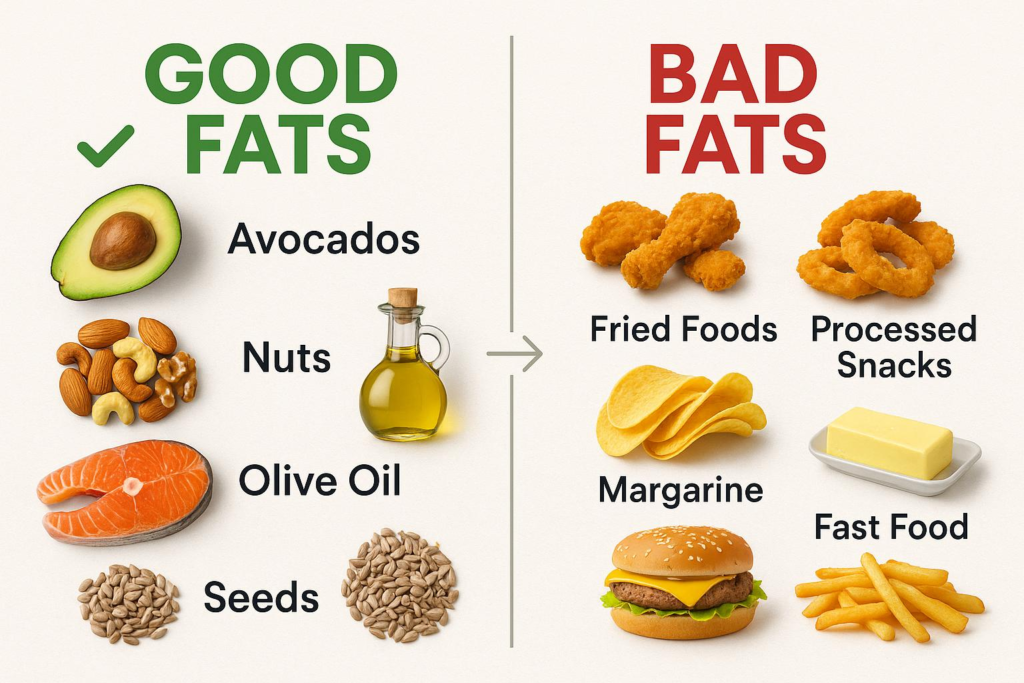
Fat was the enemy for most of the 20th century. This is a lie. The sugar industry made sure that we blamed fat for the health problems that sugar caused. However, research has since shown that fat is an essential part of a healthy diet. The problem is that there are healthy fats and unhealthy fats. You have probably heard of omega-3 fatty acids, which have an anti-inflammatory effect on the body. You might not know that Omega-6 fatty acids are inflammatory. A healthy ratio of Omega-6 to Omega-3 is 1:1. The average American diet, however, has a ratio of 25:1. This means that we are consuming too many Omega-6 fatty acids, which are linked to numerous diseases. The reason why we are consuming so many omega-6 fatty acids is because of industrial seed oils. These include soybean oil, corn oil, canola oil, cottonseed oil, and sunflower oil. Avoid these unhealthy oils as much as possible. There are also healthy oils that you can use, including olive oil, avocado oil, and coconut oil. Another healthy fat is butter, as long as you get it from grass-fed cows. Margarine was marketed as a healthier alternative to butter, but it actually contained trans fats, which are unhealthy. Health Conditions
A 2016 study found that there was little association between butter consumption and heart disease. Margarine, on the other hand, has been linked to numerous health problems. It doesn’t matter how healthy it is, because the trans fats in it are toxic to the body. Even though trans fats have been banned, the foods that they are in (processed baked goods, frozen pizza, fried chicken, etc.) are still unhealthy. It is best to stick to butter when you want some fat in your diet. Health Conditions
6. Processed vs. natural meats
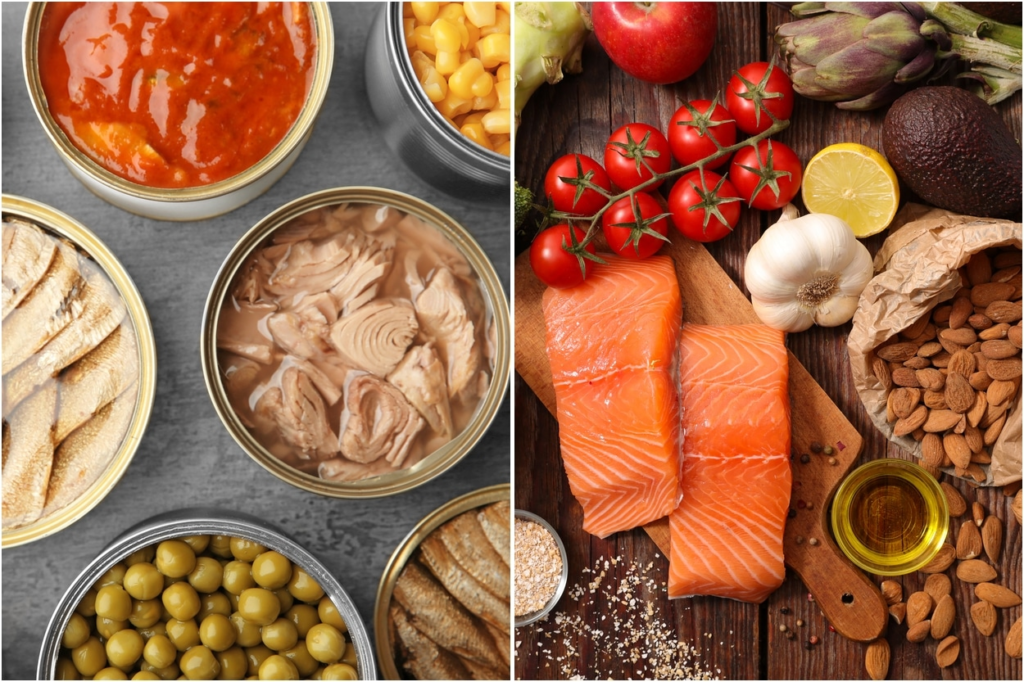
Red meat has had a bad reputation for most of the 20th century. However, a large study published in the Annals of Internal Medicine in 2019 found that there was little association between red meat consumption and heart disease, cancer, or diabetes. It all comes down to moderation. Eating steak occasionally is not unhealthy. In fact, it can be a good source of protein that keeps you full for longer. Health Conditions
The problem with red meat is processed meats. Processed meats are the unhealthy counterparts to natural meats. They are often high in sodium, sugar, and other additives. This category includes sausages, hot dogs, salami, cheap bacon and ham, and jerky. They are all highly processed and should be avoided as much as possible. Instead, buy natural, high-quality meats such as chicken breast, turkey, and steak. Health Conditions
Nitrates have been linked to numerous health problems. They were used as preservatives in the cheap, processed meats mentioned above. However, the studies are flawed because the people who ate the nitrates also had unhealthy lifestyles. The truth is that your saliva contains more nitrates than the amount you would get from food. It is not the nitrates that are unhealthy; it is the cheap, processed meats. Health Conditions
7. The ultimate secret to reversing diabetes: intermittent fasting
This is the secret that the pharmaceutical companies don’t want you to know about. It is free, it is simple, and it is incredibly effective. This practice has been used for centuries by various religions, and it is now being endorsed by scientists. It is called intermittent fasting. Health
Intermittent fasting is not about starving yourself. It is about giving your body a break from digestion. When you intermittent fast, you eat within a certain eating window and fast for the rest of the day. There are many variations of intermittent fasting, but one of the most popular ones is the 16/8 method. This means that you eat within an eight-hour window and fast for 16 hours. Another popular method is the 24-hour fast, where you fast for 24 hours, eat a small meal, and then fast for another 24 hours. The most extreme example of intermittent fasting is a man who fasted for 382 days under the supervision of doctors. He lost 276 pounds and was healthy for the next 30 years. This shows that intermittent fasting is incredibly effective. It is completely safe for people with type 2 diabetes to have an intermittent fast. Fasting lets your body heal and repair itself. When you fast, you stop putting stress on your body by making insulin. This lets your body burn fat for energy instead of sugar. It also has an incredible effect on your metabolism. Health
Conclusion
Getting your health back from diabetes and pre-diabetes is not as difficult as you think. It doesn’t require expensive products or complicated dieting. It only requires you to stop eating the unhealthy foods listed in this article. It is amazing how much damage these foods do to your body. By removing them from your diet, you are taking an important step toward reversing diabetes and improving your health. You can start today by eliminating one unhealthy food from your diet.