
I know the feeling. I eat salads, smoothies, eggs, or a solid high-protein dinner, yet my brain still turns fuzzy by midafternoon.
For me, ultra-processed foods help explain part of that gap. This isn’t about eating perfectly or fearing one snack. It’s about how packaged sweets, soda, fast food, and convenience foods can chip away at attention, even when the rest of my diet looks decent. Recent studies from 2022 to 2025 point to worse executive function with higher intake, although the full picture is still mixed. That makes it worth looking at what these foods do during a normal day.
How ultra-processed foods can interfere with my focus
I can hit my protein goal and still feel mentally off. That’s because focus isn’t only about total calories or whether I ate some vegetables. It’s also about how steady my energy stays, how hungry I feel an hour later, and how hard my brain has to work to stay on task.
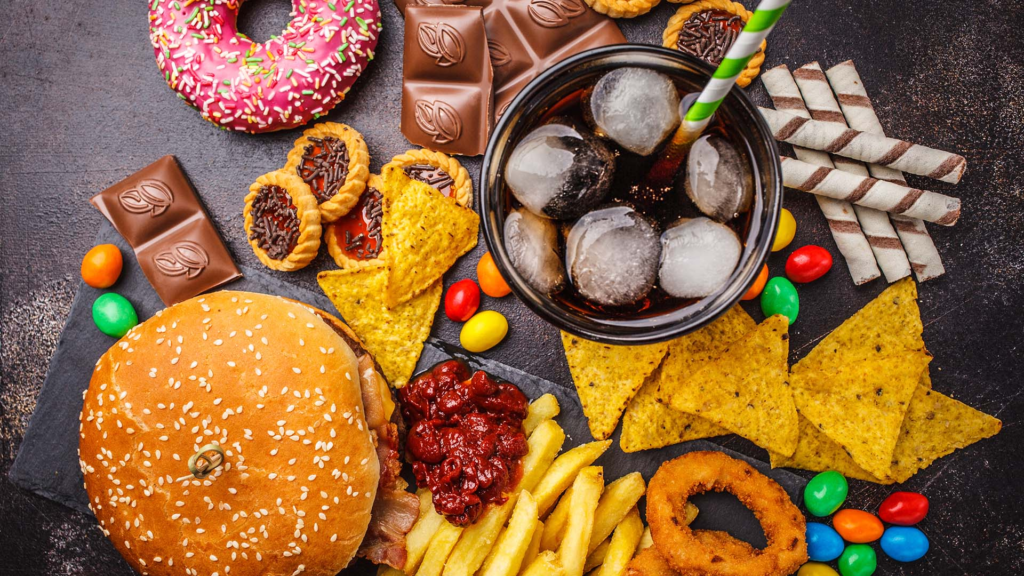
Ultra-processed foods are industrial products made with refined ingredients, additives, and flavors that don’t look much like the original food. Chips, soda, sugary cereal, packaged pastries, instant noodles, drive-thru meals, and many snack bars fit here. The problem usually isn’t one item. It’s the pattern of eating them often.
Blood sugar spikes and crashes can make my attention feel shaky
When I eat refined carbs or a sugary drink, I often get a quick lift. Then I crash. That swing can feel like a short burst of motivation followed by brain fog, hunger, irritability, and a wandering mind.
Over time, those swings can make concentration feel unstable. I may start a task fast, then lose patience, check my phone, or want another snack before I finish.

Inflammation and gut changes may add to brain fog
Blood sugar isn’t the whole story. Some research suggests ultra-processed foods may raise low-grade inflammation and change gut bacteria. Since the gut and brain stay in constant contact, that shift might affect mood, clarity, and attention.
I don’t take that as proof that one cookie causes brain fog. Still, if most of my easy foods are highly processed, the combined effect may make my mind feel less steady than it should.
What the research says, and why healthy eating doesn’t always cancel it out
The strongest case for concern comes from executive function, not from one dramatic headline. In a large Brazil cohort study on ultra-processed foods and cognitive decline, people with higher intake had faster decline in global cognition and executive function over time. Executive function matters because it’s the set of skills I use to focus, plan, resist impulses, switch tasks, and stay organized.
More recent evidence points the same way, even if not every paper agrees. A 2025 review of observational studies on ultra-processed food and cognitive outcomes found that several studies linked higher intake with worse cognitive measures, and some tied certain ultra-processed categories to faster executive decline.
At the same time, the picture isn’t perfectly clean. A 2026 Dutch study from Vrije Universiteit Amsterdam did not find clear evidence that ultra-processed food intake was related to cognitive decline in older adults after accounting for other factors. There’s also a 2024 Brazil study in adolescents that did not find an association in that sample.
The biggest signal is executive function, not only memory
That matters to me because executive function shows up in daily life. It’s my ability to sit down, start work, ignore distractions, and keep a plan in my head. If ultra-processed foods hurt that system, the result may feel like poor focus long before it shows up as obvious memory trouble.
The practical risk isn’t only long-term decline. It’s the feeling that my brain is harder to steer today.
A healthy meal next to a processed snack isn’t a free pass
This is the part I used to miss. Eating berries at breakfast or a good dinner later doesn’t always erase repeated hits from soda, energy drinks, candy, flavored coffee drinks, or snack foods throughout the day.
My diet can look healthy on paper and still work against my concentration. If the foods I eat most often push me into swings, cravings, and low mental energy, the “good” meals may not fully offset that pattern.
The everyday signs that ultra-processed foods may be hurting my concentration
The signs are often ordinary. I feel sharp for a while, then scattered. I get hungry soon after eating. My patience drops, and easy tasks start to feel sticky.
I feel clear at first, then distracted or drained soon after
That cycle is familiar. A sweet breakfast or packaged snack gives me quick fuel. Then I want more coffee, more sugar, or more stimulation because my attention starts slipping. By late afternoon, I may feel both tired and restless, which is a bad mix for focused work.
My diet looks good on paper, but my food environment still works against me
This can happen even when I “eat healthy.” Protein bars, sweetened yogurt, frozen meals, bottled coffee drinks, sauces, and grab-and-go snacks can add up fast. None of those foods are evil, but they can crowd my day with more ultra-processed intake than I realize.
Simple ways I can protect my focus without trying to eat perfectly
I don’t need a perfect diet to feel better. I get the most benefit by changing the foods I eat every day, especially the ones linked to crashes or mindless snacking.
Start with the foods I eat daily, not rare treats
If I drink soda every afternoon, that’s the place to start. If I rely on sugary cereal, pastries, or chips most days, one swap matters more than worrying about dessert at a birthday party. Repeated habits shape my energy more than occasional treats.
Build meals and snacks that keep energy steady longer
I do better when meals combine protein, fiber, and some fat with less-processed foods. Oatmeal with nuts works better for me than sugary cereal. Eggs and toast usually beat a pastry. Fruit with nuts, plain yogurt with simple ingredients, or leftovers often keep me steadier than packaged snacks.
Conclusion
When I eat a lot of ultra-processed foods, my focus can suffer even if the rest of my diet looks solid. Blood sugar swings, possible inflammation, gut changes, and weaker executive function all help explain why.
The research is still developing, and it doesn’t say every person will notice the same effect. Still, the pattern is strong enough to take seriously. Small changes in the foods I eat most often can leave me feeling steadier, sharper, and more in control of my day.