Understanding Natural Food Labeling
**Search Phrase: natural food labeling** – Navigating the landscape of food marketing starts with understanding what labels like “natural” truly mean. The term “natural” on food labels is often misunderstood, largely because it lacks a single, strictly regulated definition by authorities such as the FDA. Generally, “natural” suggests that the product contains no artificial ingredients, preservatives, or synthetic substances and has undergone minimal processing. However, it’s crucial to recognize that natural does not necessarily equate to organic, healthy, or free from pesticides.
Recent regulatory updates aim to clarify this ambiguous labeling. For example, the USDA specifies that “natural” meat and poultry must be minimally processed and free from artificial additives, yet there is still no comprehensive federal standard for “natural” across all food categories. As a result, many manufacturers use “natural” primarily as a marketing term rather than as a strict guarantee of quality or safety. Therefore, consumers should look beyond the “natural” claim and examine ingredient lists and certifications such as USDA Organic for a more accurate assessment. This understanding allows shoppers to make informed **healthy choices** and reduces unnecessary confusion about what “natural food labeling” really signifies.
For a deeper understanding of related topics, visit our article on 11 Sustainable Nutrition Habits for 2026.
Source: FDA Natural Labeling Guidance
What Does “No Artificial Colors” Really Mean?
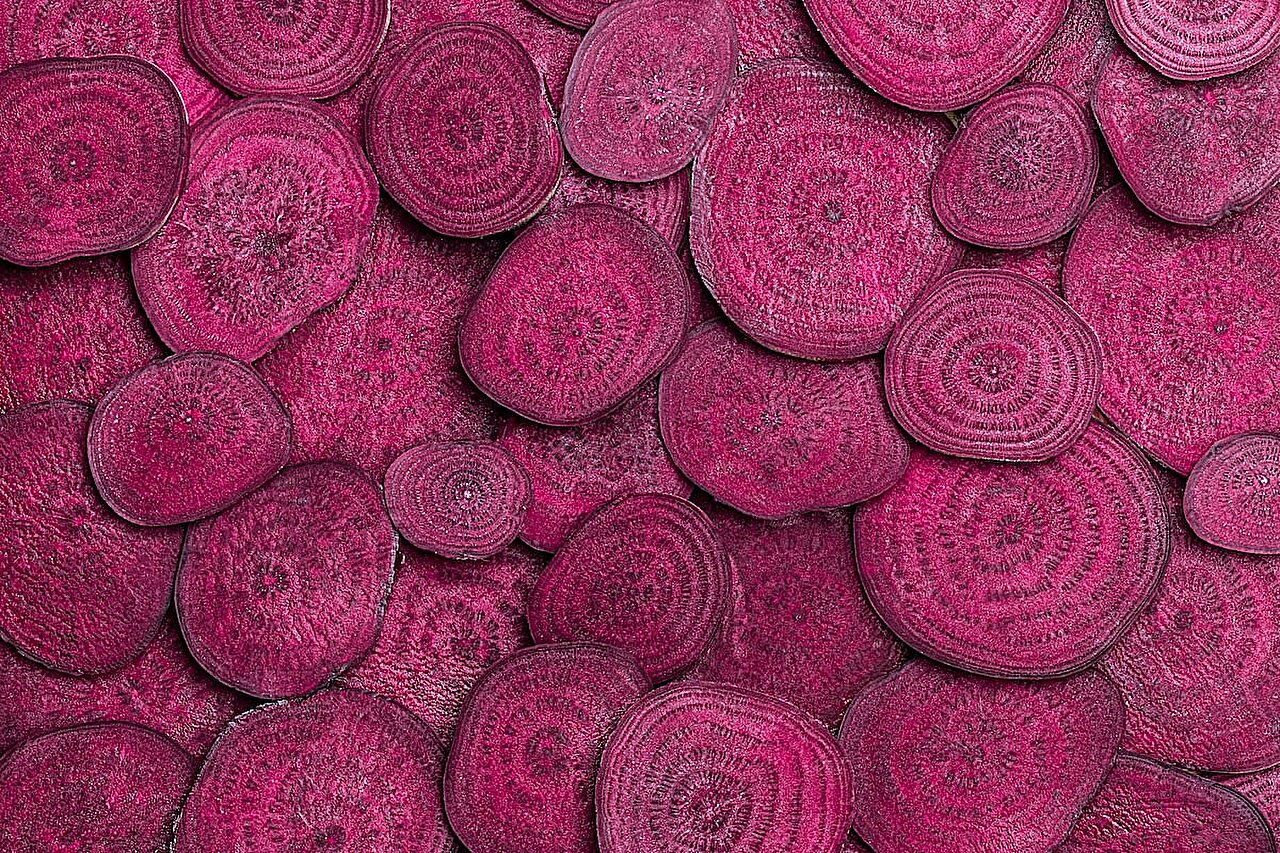
**Search Phrase: natural food labeling** — As consumer demand for cleaner, more transparent products grows, understanding what “No Artificial Colors” signifies becomes vital. The FDA clarifies that this claim indicates the product is free from synthetic dyes created through chemical processes. Instead, such foods use natural colorants derived from plants, minerals, or other natural sources. Examples include beet juice, turmeric, and annatto, which are popular natural color options.
It’s important to note that “No Artificial Colors” does not mean the food has no color additives at all; rather, it means the colors used are naturally sourced. The FDA mandates that such claims are truthful and not misleading. Manufacturers must ensure that no synthetic dyes — like Red 40 or Yellow 5 — are present when a product claims “No Artificial Colors”. Checking the ingredient list for natural colorants or phrases like “color from natural sources” can help consumers confirm the authenticity of such claims. For health-conscious shoppers, selecting foods with no artificial colors aligns with a move toward minimally processed diets that support overall well-being.
Learn more about making healthier natural food choices in our article on 11 Sustainable Nutrition Habits for 2026.
Source: FDA Overview of Color Additives
The Impact of Label Changes on Consumers and Brands
**Search Phrase: natural food labeling** — Recent modifications in natural food labeling regulations have markedly influenced both consumer behaviors and brand strategies. As people become more health-conscious, accurate and transparent labels about “natural” and “organic” products foster greater trust. Historically, vague or misleading claims led to skepticism and greenwashing concerns; recent regulatory efforts aim to tighten standards and promote honesty in marketing.
This shift benefits consumers by providing clear information that helps them align their purchases with their health and ethical values, thus enabling more confident and informed choices. It also pressures brands to improve transparency regarding sourcing, ingredients, and processing practices. While complying with stricter guidelines may increase manufacturing costs, the long-term benefits include brand loyalty and reputation enhancement. For insightful tips on maintaining a health-focused lifestyle, look into our article on 11 Sustainable Nutrition Habits for 2026.
Overall, these label updates are reshaping the marketplace, encouraging manufacturers to prioritize authenticity and helping consumers find truly natural options.
Source: FDA Guidance on Natural Food Labeling
Source: 11 Sustainable Nutrition Habits for 2026
Navigating Food Labels: Tips for Health-Conscious Shoppers
**Search Phrase: natural food labeling** — For those committed to healthier eating, knowing how to interpret natural food labels is essential. Here are practical tips to decode labels and select genuinely natural products:
- Look Beyond “Natural” Claims: Remember that “natural” isn’t strictly regulated. Always scrutinize the ingredient list—favor products with recognizable, whole-food ingredients and minimal additives.
- Check for Organic Certifications: Labels such as USDA Organic or equivalent third-party seals confirm adherence to organic standards, meaning no synthetic pesticides or GMOs.
- Read the Ingredient List Carefully: Shorter lists with items like fruits, nuts, and grains generally indicate a more natural product. Avoid products with artificial colors, flavors, or preservatives.
- Be Wary of Added Sugars and Sodium: Just because a product claims to be natural doesn’t mean it’s free from high sugar or salt content. Always review nutritional facts for a balanced diet.
- Understand What “Non-GMO” Means: The Non-GMO label indicates no genetically modified organisms, but it doesn’t automatically mean the product is healthier overall.
- Know Your Certifications: Familiarize yourself with labels such as Fair Trade, Vegan, or Gluten-Free, to align products with your dietary and ethical preferences.
Adopting these label-reading strategies can significantly improve your ability to choose food products that genuinely support your health and wellness goals. To learn more holistic wellness practices related to diet and nutrition, see our article on Key Holistic Health Benefits for Better Wellness.
Source: FDA on Food Labeling