Understanding Psoriasis Biomarkers: The Key to Better Diagnosis and Treatment
Search Phrase: Psoriasis biomarkers are essential in unraveling the complexities of this chronic autoimmune skin condition. These biological indicators—such as specific proteins, genes, or immune cells—offer invaluable insights into disease activity, severity, and response to therapy. By identifying and measuring these biomarkers, clinicians can enhance diagnosis accuracy, monitor disease progression, and tailor treatments to individual patients.
Recent advancements have shown that psoriasis biomarkers like elevated TNF-alpha and IL-17 levels in blood or skin tissue can predict how a patient responds to targeted biologic therapies. This personalized approach minimizes the trial-and-error often associated with psoriasis management and leads to more effective treatment plans, greatly improving quality of life for patients. Moreover, genetic biomarkers can flag susceptibility to more severe disease forms and possible side effects, enabling proactive management strategies.
As research continues to evolve, incorporating psoriasis biomarkers into clinical practice promises a future where disease monitoring and treatment are more precise and responsive. For those interested in how digital innovations support biomarker-driven care, see our article on digital health tools transforming healthcare.
Incorporating these biomarkers into routine care pushes the boundaries of traditional treatment, offering optimism for smarter, personalized approaches to managing psoriasis (Source: Journal of Clinical Medicine on Psoriasis Biomarkers).
Advances, Research, and Challenges in Discovering Psoriasis Biomarkers
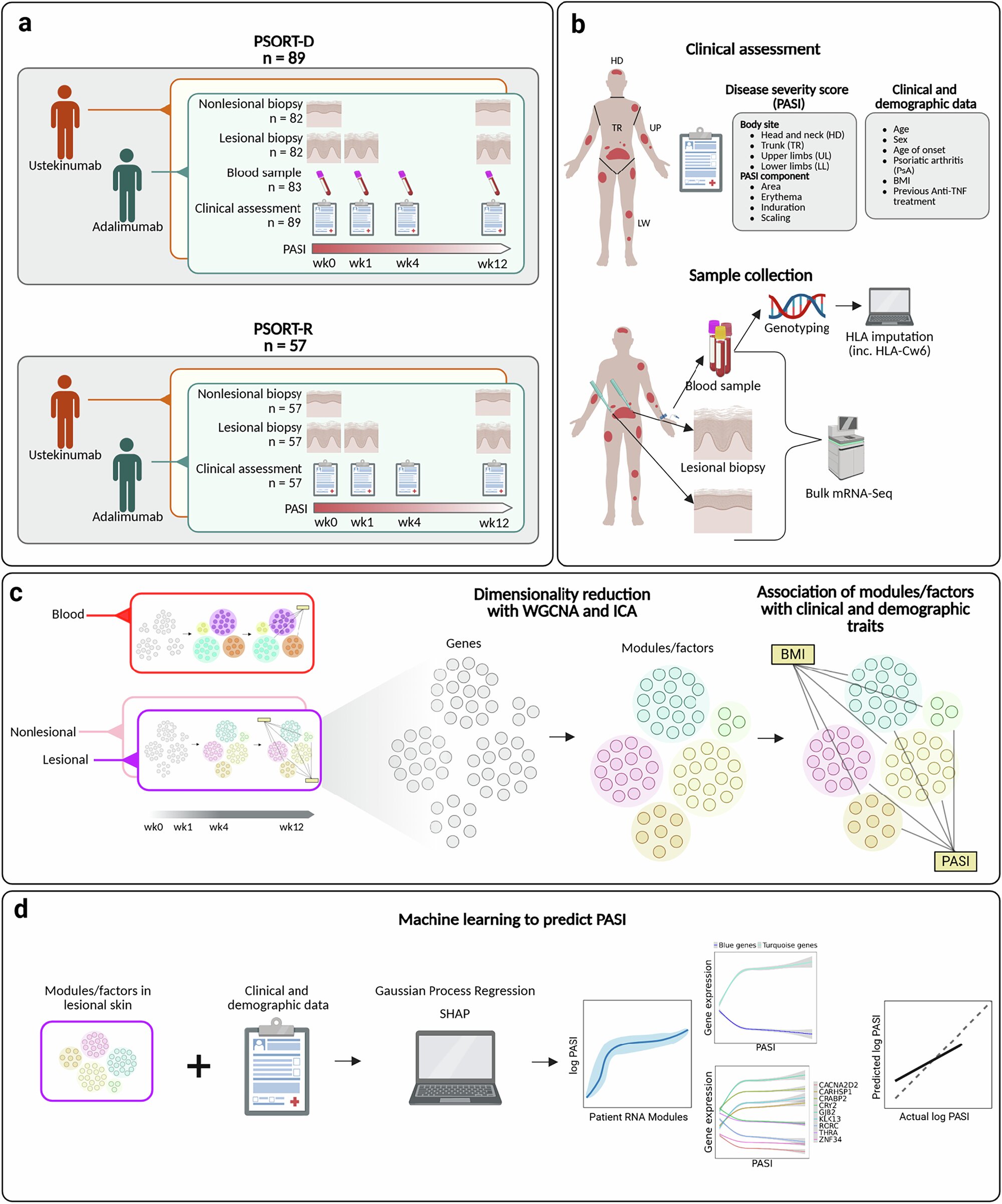
The pursuit of reliable psoriasis biomarkers has gained significant momentum in recent years. Researchers are focusing on identifying molecular and genetic markers linked to psoriasis development and severity, such as cytokines like IL-23 and IL-17, chemokines, and specific gene expression patterns that can be detected in blood or skin samples (Source: Frontiers in Medicine).
Innovative techniques like proteomics and metabolomics are helping uncover non-invasive diagnostic biomarkers, while single-cell RNA sequencing provides deeper insights into cellular contributors to psoriasis. Integrating these findings across diverse patient populations is key to validation and standardization. Nonetheless, challenges persist—such as variability due to different disease phenotypes, environmental influences, and the high costs of advanced testing technologies (Source: National Center for Biotechnology Information).
Despite hurdles, the future of psoriasis biomarker discovery remains promising. Multi-omics integration and the development of comprehensive biomarker panels aim to enable early detection, personalized therapy, and real-time monitoring, ultimately transforming patient outcomes.
To stay informed on technological advances in skin health diagnostics, explore our article on digital health innovations.
Using Psoriasis Biomarkers to Assess Risk of Cardiovascular Disease and Arthritis
Beyond skin manifestations, psoriasis is increasingly recognized as a systemic inflammatory disorder linked with elevated risks of cardiovascular disease (CVD) and psoriatic arthritis. Biomarkers such as CRP, IL-17, and TNF-α serve as critical indicators of systemic inflammation, helping clinicians assess and stratify patient risks effectively (Source: NCBI).
For example, elevated CRP levels correlate with increased cardiovascular risk, prompting early intervention to reduce long-term health complications. Similarly, high levels of IL-17 and TNF-α are markers that can predict the development of psoriatic arthritis, often before joint symptoms become apparent. This biomarker-guided risk assessment facilitates proactive management—starting from lifestyle modifications to tailored medications—aimed at reducing overall systemic inflammation and improving prognosis.
Monitoring these systemic inflammation markers fosters a holistic approach to care, emphasizing not only skin health but also the prevention of serious comorbidities. For comprehensive strategies on cardiovascular health, see our tips on heart health and well-being.
The Future of Psoriasis Biomarkers in Personalized Clinical Practice
The landscape of psoriasis management is shifting toward precision medicine, driven by ongoing advancements in biomarker research. The goal is to transition from broad-spectrum treatments to personalized therapies based on individual biomarker profiles, thus enhancing efficacy and minimizing adverse effects (Source: National Center for Biotechnology Information).
Future developments include identifying genetic markers and specific inflammatory molecules that predict responses to biologic drugs. These insights support early, targeted intervention—optimizing outcomes from the outset and reducing the often lengthy trial-and-error process. Additionally, integrating biomarker testing into routine clinical workflows demands advances in cost-effective, standardized diagnostic technologies (Source: DermNet NZ).
As research accelerates, the vision is clear: biomarker-guided personalized care that improves disease control, enhances quality of life, and potentially reduces healthcare costs. Embracing these innovations is essential for transforming the future of psoriasis treatment into a more precise, patient-centric model.
Explore further how digital health tools are supporting disease management at our dedicated article.
Sources
- wellnessblogs.in – 6 Essential Tips to Protect Skin Barrier Urban
- wellnessblogs.in – 7 Effective Strategies to Embrace Healthy Aging and Thrive in Later Years
- wellnessblogs.in – 7 Heart Health Optimism Tips to Boost Well-Being
- wellnessblogs.in – 10 Benefits of Digital Health Tools Transforming Healthcare