
“Processed foods” has become somewhat of a negative term, but it refers to a wide variety of items. In a technical sense, any food that has been altered from its natural state is considered processed. This includes actions like chopping, canning, freezing, fermenting, or cooking. So, items like bagged spinach, plain yogurt, and canned beans all fall under the category of processed foods, just as do some less healthy options. What often causes concern are ultra-processed foods, or UPFs. These are industrially manufactured products that are high in additives, added sugars, refined oils, and sodium. Examples include soda, packaged snack cakes, and many frozen meals. Eating a lot of these foods has been linked to higher blood pressure and heart disease.
Despite what some influencers might say, not all processed foods are bad for your health, especially if you have high blood pressure.
In fact, some can be practical and affordable choices that help manage heart health when included as part of a balanced diet. The key is knowing which foods to choose. We asked dietitians to share the top processed foods they recommend adding to your weekly meals if you have high blood pressure, and here are their recommendations.
1. Tofu
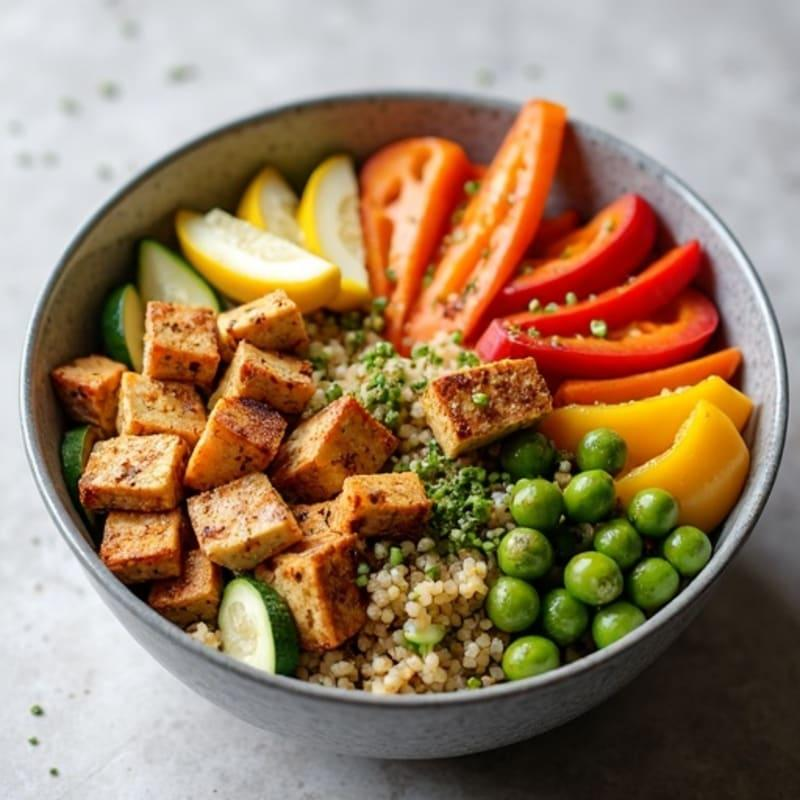
Tofu is made from condensed soy milk and is a minimally processed plant-based protein that is a good addition to your fridge.
“Tofu is a great option to include in your rotation to support your blood pressure. Each block is packed with plant-based proteins and unsaturated fats, which have shown positive effects on heart health,” says Patricia Kolesa, M.S., RDN.
In addition to being naturally low in sodium, tofu contains soy isoflavones, which are plant compounds linked to modest improvements in blood vessel function.
Replacing some saturated fat-heavy meats with plant-based proteins like soy may also support healthier cholesterol levels, which is important for overall cardiovascular health. However, it’s important to note that the heart-health benefits come from choosing plant-based proteins that aren’t considered ultra-processed, such as a deep-fried tofu-based “chick’n” nugget.
To enjoy tofu, press and cube firm tofu, then roast or air-fry it until crispy.
You can add it to grain bowls or stir-fries. Blend silken tofu into smoothies or creamy sauces for a protein boost without the added salt. Be cautious with high-sodium marinades and sauces to avoid undoing the benefits.
2. No-Salt-Added Canned Tomatoes
Canned tomatoes are a common pantry item, and the no-salt-added varieties are particularly beneficial for blood pressure management due to their key nutrients and compounds that support healthy blood pressure.
“The potassium helps the kidneys remove excess sodium and counteracts its blood-pressure-raising effects,” says Whitney Stuart, M.S., RDN. Tomatoes also contain lycopene, a plant compound that gives them their red color and may support healthy blood pressure.
Interestingly, canned tomatoes may contain even more lycopene than fresh tomatoes, as the heat from canning makes it easier for the body to absorb this antioxidant.
Choosing the no-salt-added option gives you control over the amount of sodium in your meal, which is a significant advantage. Regular canned tomatoes can contain several hundred milligrams of sodium per serving.
Use no-salt-added canned tomatoes as the base for soups, chili, and pasta sauces, or simmer them with garlic and herbs for a quick shakshuka.
Add flavor with dried spices, citrus, or a splash of vinegar instead of salt to keep your meals tasty and low in sodium.
3. Low-Fat Greek Yogurt
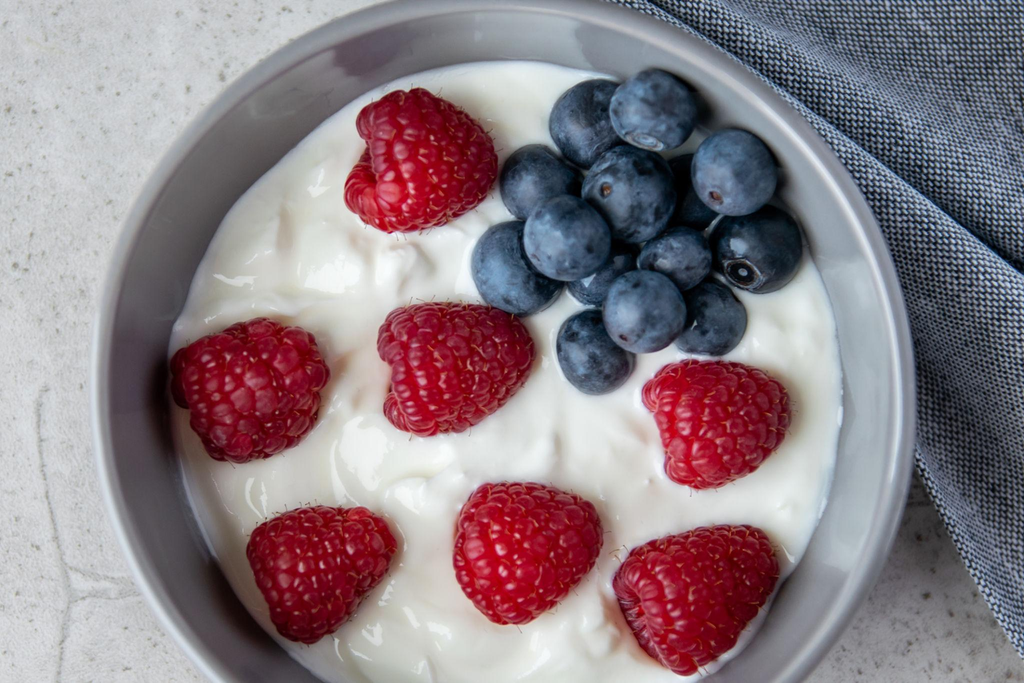
Low-fat Greek yogurt is creamy, tangy, and very versatile.
It is a good source of several heart-healthy nutrients, like calcium, magnesium, and potassium, and also provides adequate protein that can help replace higher-sodium snack options, according to Sarah Schlichter, M.A., RDN.
These three minerals—calcium, magnesium, and potassium—are central to the well-studied Dietary Approaches to Stop Hypertension (DASH) eating pattern, which is specifically designed to help lower blood pressure.
Yogurt is also a fermented food, and some research suggests that regular yogurt intake may be associated with slightly lower blood pressure over time, though it’s not a cure-all. The protein and probiotics in yogurt are also beneficial for keeping you full and supporting gut health.
The key is being mindful of added sugars in flavored varieties.
Opt for plain Greek yogurt and add flavor with fruit, a touch of honey, or cinnamon, or choose a lower-sugar option to reduce added sugars, suggests Schlichter.
You can use it as a base for breakfast bowls, replace sour cream with it, or enjoy it as a quick snack topped with berries.
4. Whole-Grain Bread
Bread is often viewed negatively, but whole-grain bread can truly be beneficial for your heart.
Schlichter notes that whole-grain bread is a good source of magnesium and fiber, both of which have been linked to helping manage and improve blood pressure, as well as supporting overall heart health. 810
When buying, look for “100% whole wheat” or “100% whole grain” as the first ingredient and ensure that each slice contains at least a few grams of fiber.
Use it for sandwiches filled with vegetables, whole-grain toast with avocado, or as a side to your favorite soup.
5. Canned Beans
Few foods are as convenient and nutritious as a can of beans.
“Canned beans come in many varieties, making it easy to create different meals each week. They offer fiber, protein, vitamins, and minerals. Especially, the potassium they contain helps counteract the effects of sodium, while fiber is great for heart health,” says Mascha Davis, M.P.H., RDN.5
Beans are also a major source of plant-based protein and soluble fiber, which can support healthy blood sugar and cholesterol levels. 11 Because they are filling and affordable, they make an excellent alternative to higher-sodium processed proteins like deli meats.
To further reduce sodium, choose no-salt-added cans or drain and rinse regular beans, which can remove a significant amount of sodium.
You can stir them into salads, blend them into dips like hummus, fold them into tacos, or simmer them into hearty soups and stews.
Selecting Processed Foods for Better Blood Pressure
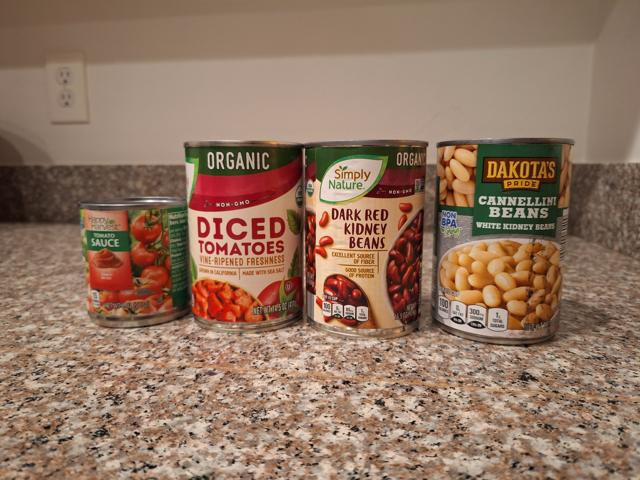
Not all processed foods should be included in your shopping cart.
Use these strategies to find the.
Read the label: Check the Nutrition Facts panel and look for lower sodium amounts per serving. Also, review the ingredient list to find added sugars and long lists of additives.
Look for “No-Salt-Added” or “Low-Sodium”: These labels help you manage how much sodium you eat.
Choose foods rich in potassium, fiber, and minerals like magnesium and calcium, as they support healthy blood pressure.
Be careful with added sugars: Flavored yogurts, sauces, canned fruits, and breads may contain hidden sugars, so compare brands and choose lower-sugar options when possible.